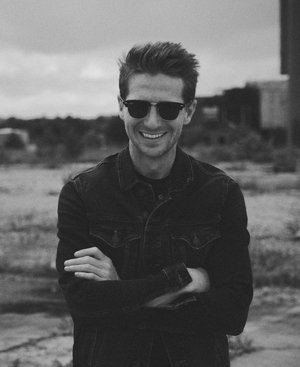
What Makes a Portrait Feel Editorial? A Photographer’s Perspective
“Editorial” is a word often used in portrait photography, but what does it actually mean?
An editorial portrait isn’t defined by wardrobe alone, dramatic lighting, or a specific location. It’s not about looking like a magazine image for the sake of it.
Editorial portrait photography is rooted in intention, restraint, and presence. It’s the difference between an image that looks styled and one that feels composed.
Editorial Portrait Photography Begins with Intention
At the core of every editorial portrait is a decision and not just what to photograph, but how and why.
Editorial photography isn’t rushed or reactive. Every element, posture, light, framing, and expression, is chosen with care. Nothing is accidental, even when the final image appears effortless.
This level of intention is what separates editorial portrait photography from standard portrait sessions.
Presence Over Posing in Editorial Portraits
One of the defining characteristics of editorial portrait photography is presence.
Not performance.
Not exaggerated posing.
Not trying to “look like a model.”
Presence is quieter. It’s the ability to settle into a moment without forcing it and allowing expression to emerge naturally.
This is where direction becomes essential. A skilled portrait photographer guides the subject, creating space for authentic expression rather than staged performance.
The Role of Light in Editorial Photography
Light is one of the most important elements in editorial portrait photography.
It does more than illuminate. It shapes:
Facial structure
Mood and tone
Depth and dimension
Whether using natural light or studio lighting, the goal is subtlety. When lighting is intentional, it feels seamless and supports the image without drawing attention to itself.
Styling in Editorial Portrait Photography
Wardrobe in editorial portraits is intentional and restrained.
Rather than overpowering the image, styling should:
Complement the subject
Emphasize shape and structure
Add texture without distraction
Editorial fashion photography focuses on cohesion. The subject remains central, while clothing provides context and visual interest.
Composition and Space
Strong editorial portraits are defined not only by what is included, but by what is left out.
Composition considers:
Framing and balance
Negative space
Visual simplicity
The result is an image that feels clean, focused, and elevated with room for the subject to exist without clutter.
Editing with Restraint
Post-production in editorial portrait photography is about refinement, not transformation.
This includes:
Color and tonal consistency
Subtle retouching
Removing distractions
The goal is to preserve the subject’s natural presence. Over-editing can diminish the authenticity that makes editorial portraits feel timeless.
Why Editorial Portraits Feel Timeless
Editorial portraits don’t rely on trends or heavy styling to hold attention.
Instead, they are built on:
Intention
Clarity
Presence
This is what allows them to endure. Not just visually, but emotionally.
Final Thoughts
An editorial portrait is never accidental.
It’s created through a series of deliberate choices about light, direction, styling, and composition. They all work together to produce an image that feels composed rather than performed.
If you’re drawn to portraits that feel calm, intentional, and refined, editorial portrait photography may be the right approach for you.