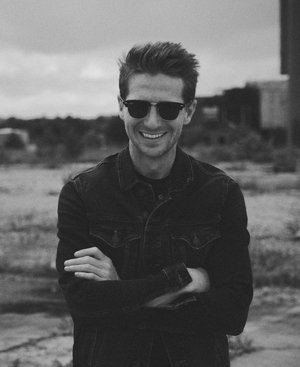
Masculinity, Presence, and Portraiture
For many years, men’s portrait photography followed a fairly narrow visual language.
Masculinity in portraits was often communicated through:
rigid posture
stoic expression
intensity
dominance
The goal often felt centered around projection or performance.
But over time, I’ve found myself drawn toward something quieter in portrait photography:
presence.
Presence vs. Performance in Men’s Portrait Photography
Performance asks someone to become something for the camera.
Presence asks them to arrive as they already are.
That distinction changes everything.
Some of the strongest portraits of men I’ve photographed or admired were not loud or exaggerated. They weren’t built around forced confidence or aggressive posing.
Instead, they carried:
stillness
restraint
calm eye contact
natural posture
ease within the frame
The portraits felt grounded rather than performed.
And because of that, they felt believable.
Masculinity in Portrait Photography Doesn’t Need Exaggeration
Many men have been conditioned to believe being photographed requires a kind of visual armor:
a certain expression
a certain posture
emotional distance
controlled intensity
But portrait photography often becomes more compelling when that performance softens.
Confidence does not always need to announce itself loudly.
Sometimes confidence appears through:
relaxed posture
subtle expression
quiet self-awareness
comfort within stillness
That type of presence is difficult to manufacture, and the camera responds to it immediately.
Why Authenticity Matters in Portrait Photography
One reason portrait sessions can feel uncomfortable for many men is because cameras reveal tension very quickly.
Forced expressions rarely hold naturally.
Over-posed body language often feels disconnected from the person being photographed.
But when someone settles into themselves, even briefly, the image changes.
The portrait stops feeling constructed.
It starts feeling human.
That moment of authenticity is often what I’m searching for during a session.
Style, Clothing, and Identity
Masculinity in portrait photography is also shaped through subtle visual choices:
tailoring
texture
simplicity
movement
restraint
Personal style becomes less about impressing others and more about alignment with identity.
The strongest portraits rarely feel trend-driven. They feel personal, intentional, and timeless.
Clothing should support presence rather than overpower it.
This is one reason I’ve always been drawn to editorial portrait photography. Editorial portraiture often leaves space for nuance and individuality instead of forcing every image to feel overly performative.
Portrait Photography as Documentation
Portraits become more meaningful when they stop trying to prove something.
A portrait does not need to manufacture masculinity.
It only needs to observe it honestly.
Sometimes the most powerful portrait photographs simply document:
a season of life
personal growth
confidence that developed quietly over time
the way someone carries themselves naturally
Those images tend to age well because they are rooted in authenticity rather than performance.
Final Thoughts
The older I get, the less interested I become in portraits that feel exaggerated or overly constructed.
I’m far more interested in portrait photography that feels:
grounded
calm
intentional
emotionally honest
Portraits where masculinity isn’t performed, but simply present.
Because presence communicates something deeper than performance ever could.
And I think many people, whether they realize it or not, are searching for that kind of authenticity now.